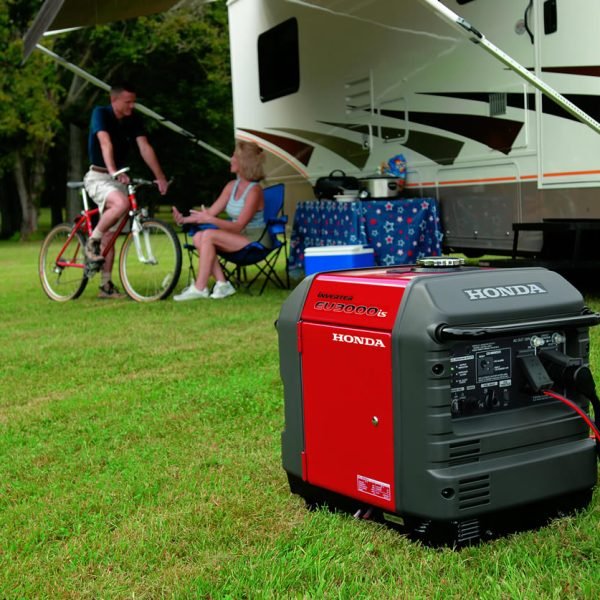
The Honda EU3000iS generator is a fantastic piece of equipment, delivering reliable, quiet power for everything from camping trips to critical home backup. But like any powerful tool, mastering its Safety & Proper Operation isn't just a suggestion—it's essential for protecting yourself, your loved ones, and your investment. This guide will walk you through everything you need to know, making sure you're getting the most out of your EU3000iS, safely and efficiently, every time you fire it up.
You've invested in a premium power solution; let's ensure you operate it with premium safety and expertise.
At a Glance: Key Safety & Operation Takeaways
Before we dive deep, here are the absolute essentials for your Honda EU3000iS:
- Carbon Monoxide (CO) is Silent and Deadly: Always run your generator outdoors, far away from windows, doors, vents, and any enclosed space. Never, ever use it indoors.
- Keep it Dry: Water and electricity don't mix. Never operate the generator in wet conditions, and don't touch it with wet hands.
- Cool Down Before Refueling: Always shut off the generator and let it cool for 5-10 minutes before adding fuel.
- Monitor Fuel & Oil: Check your gasoline and engine oil levels before each use to prevent damage and ensure smooth operation.
- Respect the Power: Understand your generator's wattage capacity to avoid overloading, which can harm both the generator and your appliances.
- Regular Maintenance is Key: Stick to the recommended service schedule for oil changes, air filter cleaning, and spark plug checks to keep your EU3000iS running optimally for years to come.
Your Honda EU3000iS: A Quick Overview of Key Features
The Honda EU3000iS isn't just any generator; it's an inverter generator, renowned for its clean power output and efficiency. Before we jump into the nitty-gritty of safe use, understanding a few core features helps set the stage for optimal operation.
For instance, its Eco-Throttle system is a game-changer. This intelligent feature automatically adjusts engine speed to match the electrical load, meaning it runs only as fast as needed. This not only significantly conserves fuel but also dramatically reduces noise levels, making your generator a much more pleasant companion. When you're running a light load, Eco-Throttle kicks in to save you money and headaches.
You might also be interested in extending your power capabilities. The EU3000iS offers parallel operation, allowing you to link two EU3000iS units together using an optional cable kit. This effectively doubles your power output, making it ideal for those times when you need a bit more juice without investing in a larger, single generator. Just remember, this feature is specific to connecting two identical EU3000iS units.
Finally, your generator is equipped with smart protection. AC and DC circuit protectors (like built-in circuit breakers) are there to prevent overloading. If you accidentally draw too much power, these protectors will trip, safeguarding both the generator and your connected devices. Similarly, Honda's Oil Alert System is a vital guardian, automatically shutting down the engine if the oil level drops too low. This is a critical feature that prevents serious engine damage from insufficient lubrication, underscoring the importance of checking your oil regularly. Knowing these features will empower you to use your generator more effectively and safely.
The Unseen Danger: Carbon Monoxide (CO) Poisoning
This is not a suggestion; it's a non-negotiable rule. Generator exhaust contains carbon monoxide (CO), a colorless, odorless, and deadly gas. You cannot see it, smell it, or taste it, but it can kill quickly and silently.
Your generator must always be operated outdoors. This means:
- Never run your EU3000iS inside a home, garage, basement, shed, or any other enclosed or partially enclosed space. Even an open garage door isn't enough to prevent CO buildup.
- Place the generator in a well-ventilated area, at least 20 feet (about 6 meters) away from your home or any other building.
- Position the exhaust outlet so it points away from occupied buildings, doors, windows, and vents to prevent CO from drifting indoors. Winds can shift, so always prioritize maximum distance and airflow.
- Consider investing in battery-operated CO alarms for your home, especially if you're using a generator for backup power. They're an inexpensive extra layer of protection.
Think of generator exhaust like a campfire smoke: you wouldn't bring a campfire indoors, and you shouldn't bring your generator's exhaust indoors either. The consequences are far more severe.
Keeping It Dry: Avoiding Electrocution Risks
Water and electricity are a perilous combination. Your Honda EU3000iS is an electrical device, and exposure to moisture presents a severe electrocution risk.
- Stay Out of the Rain and Snow: Never operate your generator in wet conditions. If rain or snow is expected, either move the generator to a dry, covered area (that's still fully open to the outside air, remember the CO rule!) or refrain from using it.
- Dry Hands are a Must: Always ensure your hands are dry before touching the generator, especially when plugging or unplugging devices, or operating controls.
- Steer Clear of Water Bodies: Do not use the generator near swimming pools, hot tubs, sprinkler systems, or any other source of standing water.
- Keep it on a Stable, Dry Surface: This prevents it from potentially falling into puddles or mud, ensuring both safety and proper function.
A dry generator is a safe generator. Simple as that.
Mind the Heat: Exhaust and Generator Temperature
During and after operation, parts of your Honda EU3000iS become incredibly hot—especially the exhaust system. This heat poses both a burn risk and a fire hazard.
- Clear the Zone: Maintain at least one meter (about 3 feet) of clearance between the generator and any buildings, vehicles, or combustible materials. This includes dry leaves, grass, paper, or fuel cans.
- Don't Restrict Airflow: Ensure there's nothing obstructing the airflow to or from the generator. Proper ventilation isn't just for CO dispersal; it's also essential to prevent the unit from overheating.
- Hands Off While Hot: Never touch the engine, muffler, or other hot parts of the generator during operation or shortly after it has been shut down. Allow ample time for the unit to cool before handling, moving, or storing it. The metal can retain significant heat for a surprising amount of time.
If you plan to move your generator after use, build in a cooling-off period. Patience here prevents painful burns and potential fires.
Connecting Right: Grounding and Parallel Operation
Proper connections are crucial for both your safety and the longevity of your generator and connected devices.
Generator Connection & Grounding
Your EU3000iS requires proper grounding to protect against electrical shock.
- Grounding is Essential: Always follow the manual's instructions for proper grounding techniques. Typically, this involves connecting a ground wire from the generator's ground terminal to an approved earth ground (like a grounding rod driven into the earth). This safety measure helps dissipate stray electrical current.
- No Mixed Matches: Never connect your EU3000iS with a different generator model for parallel operation. This can lead to equipment damage or unsafe electrical conditions. Parallel operation is only for two identical EU3000iS units, using a specific Honda parallel cable kit.
- Transfer Switches for Home Use: If you're using your EU3000iS as a backup power source for your home, it's absolutely critical to connect it via a professionally installed manual transfer switch. Connecting a generator directly to your home's electrical system without a transfer switch (backfeeding) is extremely dangerous. It can create a severe electrocution risk for utility workers and damage your home's electrical system.
Understanding Parallel Operation
As mentioned, the EU3000iS has a handy feature that allows two units to be connected for increased power. If you're considering this:
- Identical Units Only: Ensure both generators are Honda EU3000iS models.
- Use the Right Kit: You'll need an official Honda parallel operation cable kit. Don't improvise with other cables.
- Follow Manual Instructions: The specific steps for parallel connection are detailed in your generator's manual. Always consult it before attempting this setup.
Fueling Up Safely: A Step-by-Step Guide
Handling gasoline requires extreme caution. Follow these steps precisely to refuel your Honda EU3000iS without incident.
1. Preparation: Cool Down and Clear Out
- Shut Down & Cool: If the generator has been running, immediately turn it off and let the engine cool for at least 5-10 minutes. A hot engine creates flammable vapors.
- Fuel Valve Off: Turn the fuel valve on the generator to the "OFF" position.
- Ventilate: Move the generator to a well-ventilated outdoor area, away from any ignition sources (like pilot lights or sparks), electrical equipment, and flammable materials.
- Never Indoors: Reiterate: never refuel indoors or in enclosed spaces.
2. Fuel Type: Fresh Unleaded
- Use the Right Fuel: Your EU3000iS requires fresh, clean, unleaded gasoline.
- Ethanol Alert: Avoid gasoline with more than 10% ethanol (E10). Higher ethanol content can cause engine damage over time. Check the pump label carefully.
- Freshness Counts: Old or stale fuel can gum up the carburetor and cause starting or running issues. If your generator has been stored for a while, it's best to drain the old fuel and replace it with fresh gasoline.
3. Filling: Slow and Steady
- Open Slowly: Carefully open the fuel cap slowly. This allows any built-up pressure to release gradually.
- Use a Funnel: Always use a funnel to prevent spills.
- Don't Overfill: Fill the tank slowly and carefully. Do not overfill! Leave some space at the top, typically indicated by a red line inside the tank, to allow for fuel expansion. Overfilling can lead to spills and leaks as the fuel heats up.
4. Post-Refueling: Check and Secure
- Wipe Spills: If any fuel spills on the engine or hot components, do not start the generator immediately. Move the generator away from the spilled fuel, allow the fuel to evaporate completely, and clean up any residue before attempting to start the unit.
- Tighten Cap: Securely tighten the fuel cap. A loose cap can allow fuel to slosh out or fumes to escape.
- Fuel Valve On: Wait 1-2 minutes after securing the cap, then turn the fuel valve to the "ON" position before restarting the generator.
Additional Refueling Safety Tips:
- No Smoking: Absolutely no smoking, open flames, or spark-producing activities around the refueling area.
- Store Fuel Safely: Store gasoline in approved containers, away from living areas, direct sunlight, and heat sources. Keep it out of reach of children and pets.
Starting Strong: Your EU3000iS Ignition Checklist
Getting your Honda EU3000iS up and running is straightforward once you know the steps. Follow this checklist for a smooth start every time.
1. Pre-Start Checks: The Foundation of Operation
Before you even think about starting the engine, confirm these vital points:
- Fuel Level: Ensure the fuel tank has sufficient fresh gasoline. A quick visual check is usually enough.
- Oil Level: Unscrew the oil fill cap/dipstick, wipe it clean, reinsert it (don't screw it in for checking), and then check the level. Add high-quality 10W-30 oil if necessary, making sure it reaches the upper limit mark. Remember, the Oil Alert system is a backup, not an excuse to skip this check.
- Level Surface: Place the generator on a firm, level surface. This ensures proper oil circulation and stable operation.
- Clear Surroundings: Remove all obstacles, debris, and especially flammable materials from around the generator.
- Location, Location, Location: Reconfirm you are operating in a well-ventilated, outdoor area, far from any structures, vehicles, or enclosed/partially enclosed spaces, to prevent CO poisoning.
2. Fuel Flow: Open the Valve
- Locate the fuel valve and turn it to the "ON" position. This allows gasoline to flow from the tank to the carburetor.
3. Choke Control: Cold vs. Warm Start
- Cold Engine: If the engine is cold (first start of the day or after sitting for a while), pull the choke knob out to the "CLOSED" position. This enriches the fuel mixture for easier starting.
- Warm Engine: If the engine is already warm (restarting shortly after a previous run), leave the choke knob in the "OPEN" position. Using the choke on a warm engine can flood it.
4. Engine Switch: Ignition Key
- Insert the ignition key and turn the engine switch to the "ON" position. For models with electric start, you'll momentarily turn it further to the "START" position.
5. Choosing Your Start Mode: Electric or Recoil
The EU3000iS offers two convenient ways to start the engine:
- Electric Start:
- Once the engine switch is "ON," press and hold the starter button.
- Do not press the button for more than 5 seconds at a time to prevent overheating the starter motor.
- Release the button as soon as the engine starts, allowing it to return to the "ON" position.
- If the engine doesn't start within 5 seconds, release the button, wait at least 10 seconds to let the starter cool, then try again.
- Recoil Start (Manual):
- With the engine switch "ON," grasp the recoil starter grip firmly.
- Pull the cord slowly until you feel resistance. This is the compression stroke.
- Once you feel resistance, pull the cord briskly and smoothly upwards until the engine starts.
- Allow the cord to rewind slowly; don't let it snap back.
6. Adjusting the Choke (if used): Smooth Transition
- Once the engine has started and is running smoothly (usually after 30-60 seconds), gradually push the choke knob back in to the "OPEN" position.
- If the engine falters, pull the choke out slightly again and gradually push it back in as the engine warms up further.
7. Eco-Throttle: Smart Power Management
- After the engine has run for a couple of minutes and is operating smoothly, you can consider engaging the Eco-Throttle.
- For light loads: Turn the Eco-Throttle switch to the "ON" position. This will reduce engine speed, save fuel, and decrease noise.
- For heavy loads or starting high-demand appliances: Keep the Eco-Throttle switch in the "OFF" position. This allows the engine to run at full speed, providing maximum consistent power.
8. Connecting Devices: Clean Power On Demand
- Only plug devices into the AC outlets after the engine is running smoothly and stably.
- Thanks to its inverter technology, your EU3000iS provides clean and stable power, making it safe for even sensitive electronics like laptops, smartphones, and medical equipment.
- Start with smaller loads, then connect larger ones one at a time.
Protecting Your Investment (and Appliances): Overload & Short-Circuit Protection
Your Honda EU3000iS is designed with built-in safeguards to protect both itself and the valuable appliances you connect to it. These systems are your first line of defense against electrical mishaps.
Overload Protection: Don't Exceed the Limit
The generator has a maximum running wattage (2,800 watts for the EU3000iS) and a peak/surge wattage (3,000 watts). Connecting appliances that collectively demand more power than the generator can supply will trigger the overload protection.
- Know Your Watts: Before plugging anything in, calculate the total wattage of all the appliances you plan to run simultaneously. This is especially important for items with a high "starting" or "surge" wattage (like refrigerators or power tools).
- Watch for the Red Light: If the generator's red overload indicator light illuminates, it means you've exceeded the capacity. The generator's power output will likely shut off to prevent damage.
- How to Reset:
- Immediately reduce the load by unplugging some appliances.
- Allow the generator to cool briefly (if it's been overloaded for a while).
- Press the AC circuit protector (breaker) button to reset the system.
- Plug in your devices one by one, staying within the generator's capacity.
It's always better to run your generator at 75-80% of its continuous wattage to ensure stable power delivery and extend its lifespan.
Short-Circuit Protection: Safeguarding Against Faults
A short circuit occurs when there's an unintended path for electricity to flow, usually due to damaged wiring or a faulty appliance. This can cause a sudden surge of current, which is dangerous for both the generator and anything connected.
- The EU3000iS's circuit breaker acts as a safeguard against these electrical faults. If a short circuit occurs, the breaker will trip, instantly cutting off power to prevent damage or fire.
- Troubleshooting: If a circuit breaker trips without an apparent overload, check your connected devices for damaged cords or faulty internal wiring. Never bypass a tripped circuit breaker, as this indicates a serious electrical issue.
By understanding and respecting these built-in protections, you ensure a safer and more reliable power experience with your Honda EU3000iS. Keeping an eye on your load and the generator's indicators is key. You can explore Honda EU3000 generators and their features further if you're curious about other models as well.
Powering On: Understanding Eco-Throttle and Device Connection
Once your EU3000iS is purring smoothly, it's time to connect your devices and leverage its smart features.
Leveraging Eco-Throttle
We touched on this earlier, but it's worth a closer look for optimal operation:
- "ON" for Efficiency: When running light loads—think charging phones, powering a few lights, or running a small fan—set the Eco-Throttle switch to "ON." The generator will automatically lower its RPMs, conserving fuel and making it remarkably quiet. This is where the "iS" (inverter/silent) in EU3000iS truly shines.
- "OFF" for Full Power: For heavier, consistent loads (like running a refrigerator, an air conditioner, or multiple power tools), or when starting appliances with high surge requirements, keep the Eco-Throttle switch "OFF." This ensures the engine runs at full speed, providing maximum consistent wattage without bogging down.
- A Gentle Start: Many users find it beneficial to start the generator with Eco-Throttle "OFF," let it warm up for a minute or two, and then switch it "ON" if the load is light.
Connecting Your Electronics Safely
With its advanced inverter technology, the EU3000iS delivers clean, stable sine wave power, comparable to what you get from a wall outlet. This makes it ideal for sensitive electronics.
- Plug In After Starting: Always ensure the generator is fully started and running smoothly before plugging in any devices.
- One by One: For optimal stability, especially with multiple items, plug in your devices one by one, starting with the highest wattage item first. This helps prevent sudden load spikes that could trip the circuit breaker.
- Check Wattage: Double-check the wattage requirements of your devices against your generator's capacity (2,800 running watts). Remember to account for surge wattage, especially for motor-driven appliances.
- Inspection: Before plugging anything in, quickly inspect power cords for any fraying or damage. Damaged cords can cause short circuits and electrical hazards.
By using Eco-Throttle judiciously and connecting devices thoughtfully, you'll maximize your generator's efficiency and ensure a stable power supply for all your electronics.
On the Move: Generator Operation & Transportation
There's one golden rule when it comes to operating your generator and moving it:
- Stationary Operation Only: Your Honda EU3000iS must remain stationary while it is operating. Never operate the generator while it's being transported on a vehicle (such as a truck, boat, RV, or trailer). This is a critical safety measure to prevent fire hazards, ensure stable grounding, and maintain proper ventilation. Operating a generator in a moving vehicle can lead to fuel spills, CO buildup in the vehicle, and equipment damage from vibrations.
When transporting the EU3000iS, ensure the fuel valve is in the "OFF" position and the fuel cap is securely tightened to prevent leaks. Allow the generator to cool completely before placing it in or on a vehicle. Secure it properly to prevent movement during transit.
Wrapping Up Operation: How to Shut Down Safely
Proper shutdown procedures are just as important as proper starting. This helps protect your generator and ensures it's ready for its next use.
- Disconnect All Devices: Before anything else, unplug all electrical devices from the generator's outlets. This removes the electrical load and prevents potential damage to your appliances.
- Turn Off Engine Switch: Locate the engine switch (usually the ignition key) and turn it to the "OFF" position. The engine will typically stop immediately.
- Turn Off Fuel Valve: Move the fuel valve lever to the "OFF" position. This prevents fuel from leaking or evaporating from the carburetor bowl, which can lead to gumming issues over time and make future starts difficult.
- Cool Down: If the generator has been running for an extended period or under a heavy load, allow it to cool down completely before moving, storing, or covering it. This prevents heat damage and burn risks.
Following these steps will ensure your EU3000iS is properly powered down and ready for storage or its next job.
Storing Your Generator: Ready for Next Time
Proper storage is crucial for the longevity and reliable performance of your Honda EU3000iS. How you store it depends on how long it will be out of use.
Short-Term Storage (A Few Days to a Month)
- Fuel Valve Off: Always ensure the fuel valve is turned to the "OFF" position. This helps prevent fuel from flowing into the carburetor, which can lead to gum buildup if the generator sits for a few days.
- Keep it Dry: Store the generator in a dry, well-ventilated area, protected from weather and direct sunlight.
- Secure Location: Choose a secure spot where it won't be easily damaged or tampered with, and out of reach of children.
Long-Term Storage (Over 30 Days)
For extended periods of inactivity, more comprehensive preparation is necessary to prevent fuel degradation and other issues. Gasoline can turn stale and form gummy deposits that clog the fuel system.
- Fuel System Drainage:
- Drain the Fuel Tank: Carefully drain all gasoline from the fuel tank into an approved container. You can use a siphon pump or run the generator until it runs out of fuel (this often requires turning the fuel valve to "OFF" and letting it use up the fuel in the carburetor bowl).
- Drain the Carburetor: Loosen the carburetor drain screw (refer to your manual for its exact location) and allow any remaining fuel in the carburetor bowl to drain out. This prevents stale fuel from gumming up internal components. Once drained, tighten the screw.
- Engine Preservation:
- Change Oil: It's a good practice to change the engine oil before long-term storage, especially if it's due for a change soon. Fresh oil helps protect internal engine components.
- Cylinder Fogging (Optional but Recommended): Remove the spark plug and pour a teaspoon of fresh engine oil into the cylinder. Gently pull the recoil starter a few times to distribute the oil, then reinstall the spark plug. This helps prevent corrosion inside the cylinder.
- Clean & Inspect:
- Thoroughly clean the generator's exterior.
- Inspect for any damage or loose parts.
- Cover & Store:
- Cover the generator with a breathable cover to protect it from dust and debris.
- Store it in a clean, dry, and secure location where temperatures are stable. Avoid extreme heat or cold.
By following these storage guidelines, your Honda EU3000iS will be ready to perform reliably whenever you need it next.
Keeping It Prime: Essential Maintenance
Regular maintenance is the secret to extending the life of your Honda EU3000iS and ensuring it runs reliably for years. Here’s a straightforward schedule to keep your powerhouse in top condition.
Engine Oil: The Lifeblood of Your Generator
- Initial Change: Your very first oil change is the most critical. Change the engine oil after the first 20 hours of operation. This removes any initial wear particles from the engine's break-in period.
- Regular Changes: Subsequently, plan to change the oil every 6 months or 100 hours of operation, whichever comes first. If you use your generator heavily or in dusty conditions, consider changing it more frequently.
- Oil Type: Always use high-quality 10W-30 motor oil.
- Oil Alert System: Remember, the Oil Alert System is a safety feature that shuts down the engine if oil levels are too low. Don't rely on it to tell you when to add oil; regularly check your oil level before each use!
Foam Air Filter: Breathing Easy
- Cleaning Schedule: The foam air filter should be cleaned every 50 hours or 6 months.
- Dusty Conditions: If you frequently operate your generator in dusty, dirty environments, clean the air filter much more often—even daily if conditions are extreme. A clogged air filter can significantly reduce engine performance and fuel efficiency.
- Cleaning Process: Remove the filter, wash it in warm, soapy water, rinse thoroughly, and allow it to air dry completely. Then, lightly oil it with clean engine oil, squeeze out the excess, and reinstall.
Spark Plug: The Ignition Point
- Check and Clean: Check and clean the spark plug annually. Remove the spark plug (only when the engine is cool!), inspect its condition, clean any carbon deposits with a wire brush, and check the gap with a feeler gauge. Adjust if necessary.
- Replacement: If the spark plug is fouled, worn, or damaged, replace it with the recommended type (refer to your manual for the exact specification).
- Timing: Always perform spark plug maintenance when the engine is completely cool to avoid burns and ensure accurate checks.
By adhering to this simple maintenance schedule, you’re not just performing tasks; you’re proactively safeguarding your investment. Consistent care translates directly into consistent, reliable power whenever you need it most.
Your Power, Your Responsibility: Confident Operation
Operating your Honda EU3000iS is a straightforward process when you approach it with knowledge and respect for its power. By prioritizing the safety measures discussed—especially concerning carbon monoxide, electrical hazards, and fuel handling—you ensure a safe environment for everyone around you. Adhering to proper operating and maintenance procedures guarantees that your generator remains a reliable, efficient source of power for years to come.
Take these guidelines to heart. Your EU3000iS is a powerful tool designed to make your life easier and safer during outages or off-grid adventures. With this comprehensive understanding, you're now equipped to operate it with confidence, knowing you're doing so safely and effectively. Keep this guide handy, refer to your owner's manual for specific details, and enjoy the peace of mind that comes with being prepared.