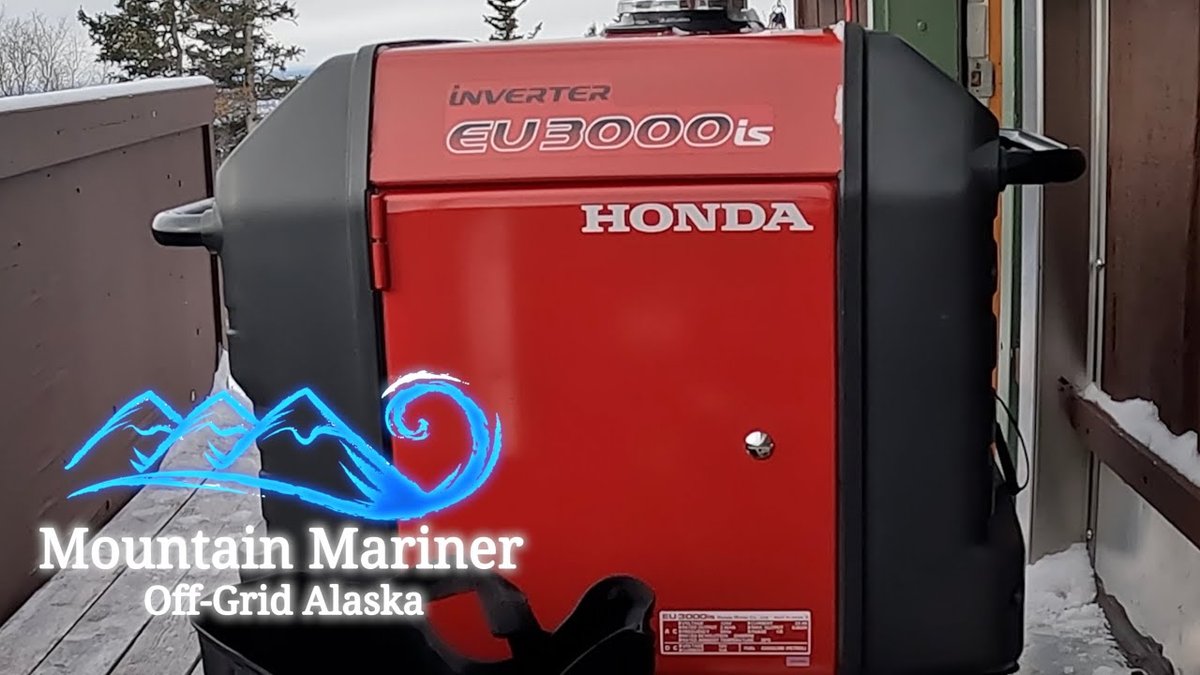
It's a familiar scenario: you pull the cord, or push the button, expecting that reliable thrum of power, only to be met with silence, a sputter, or an irritating cough. Your Honda EU3000iS, usually a steadfast companion, is acting up. Whether it’s refusing to start after long storage or suddenly quitting on you during a critical task, tackling these challenges can feel daunting. But with a bit of know-how and a methodical approach, you can master Troubleshooting Common EU3000iS Problems and get your generator humming happily again.
This isn't about guesswork; it's about diagnosing like a pro, understanding the common culprits, and applying targeted solutions. Think of me as your seasoned pit crew chief, ready to walk you through the paces.
At a Glance: Quick Fixes & Common Culprits
Before diving deep, here's a rapid-fire checklist for the most frequent issues your EU3000iS might face:
- No Start After Storage: Usually stale fuel and a clogged carburetor.
- Starts, Then Dies: Low oil level or a fuel delivery problem.
- Runs in Full Mode, Quits in Eco Mode: Often a partially clogged carburetor (pilot jet).
- Weak or No Power Output: Overload, dirty spark plug, or fuel issues.
- Engine Surging/Rough Running: Carburetor needing a clean or adjustment.
The Unsung Hero: Why Your EU3000iS Matters (and Why It Needs Your Help)
The Honda EU3000iS is a powerhouse in a portable package. It's renowned for its quiet operation, fuel efficiency, and the ability to deliver clean, stable power, making it a favorite for RVs, job sites, and backup home power. Its sophisticated inverter technology and compact design are precisely why it performs so well—but also why its systems can be sensitive to common issues like fuel degradation or neglect.
When your EU3000iS falters, it’s rarely a catastrophic failure out of the blue. More often, it’s a protest against stale fuel, a blocked air path, or a neglected component. Understanding these common pressure points is your first step toward a quick and effective repair.
Before You Grab the Wrench: Essential Pre-Checks
Before you start disassembling anything, let’s cover the basic checks. These are often overlooked and can save you a lot of time and frustration.
Fuel: The Lifeblood (and Most Common Culprit)
This is where many generator problems begin, especially after storage. If your generator has been sitting for more than a month, especially without fuel stabilizer, old gasoline can turn into a sticky varnish. This gunk clogs the tiny passages in your carburetor, which are crucial for the engine to receive the correct fuel-air mixture.
- Is the Fuel Fresh? Drain any old fuel, no matter how much is left. Fresh fuel, ideally treated with a reputable fuel stabilizer, is paramount. An 8-year-old generator, even if unused, will almost certainly have severe fuel system issues due to varnish from stale fuel.
- Is There Enough Fuel? It sounds simple, but check the fuel level. Make sure the fuel valve is in the "ON" position.
Oil: The Engine's Guardian
The EU3000iS, like many modern generators, features a low-oil shutdown system. This safety mechanism prevents engine damage by stopping the engine if the oil level drops below a safe threshold.
- Check the Oil Level: Ensure it's between the "add" and "full" marks on the dipstick. Using the correct type and viscosity of oil (often synthetic, as mentioned by one user with an older unit) is also important for engine longevity and performance, especially in varying temperatures.
Air Filter: Breathe Easy
A dirty air filter chokes your engine, restricting airflow and causing it to run "rich" (too much fuel, not enough air) or struggle to start.
- Inspect and Clean/Replace: Remove the air filter and hold it up to a light. If you can't see light through it, or if it's visibly caked with dirt and debris, it needs cleaning or replacing. A clean air filter is vital for proper combustion and engine health. You can often clean foam filters with warm, soapy water, then let them dry completely and lightly oil them. Paper elements usually require replacement.
Spark Plug: The Ignition Key
A fouled or worn spark plug can lead to weak or no spark, preventing combustion.
- Inspect Connections: First, ensure the spark plug cap is securely seated on the spark plug. A loose connection can prevent spark.
- Consider Replacement: If your generator has many hours on it or hasn't had a new plug in a while, it's a cheap and easy component to replace. Even if it looks okay, a new spark plug can often resolve intermittent starting issues.
Battery (for Electric Start Models): Powering Up
If your EU3000iS has an electric start feature, a weak or dead battery will prevent it from turning over, even if the pull-start works.
- Check Battery Charge: Ensure the battery is fully charged. If you hear a slow grind or no sound at all, the battery is likely the culprit.
When Your EU3000iS Won't Start (or Starts Then Quits)
Once you’ve covered the basics, it’s time to dig into the more common mechanical and fuel-system-related issues.
The Carburetor Conundrum: The Heart of the Problem
As noted by small engine experts, carburetor clogging from stale fuel is the most frequent cause of starting issues, especially after extended storage. The tiny passages and jets in the carburetor are designed for precise fuel delivery; any obstruction disrupts this balance.
- Why Stale Fuel is So Bad: Gasoline, especially ethanol-blended fuel, degrades over time. It separates, absorbs moisture, and leaves behind gummy, varnish-like deposits. These deposits are particularly adept at clogging the very small jets (like the pilot jet and main jet) inside the carburetor.
- Cleaning the Carburetor: A Necessary Skill:
- Drain the Fuel: Completely drain the fuel tank and the carburetor's float bowl (there's usually a drain screw). Replace with fresh, stabilized fuel.
- Access the Carburetor: This might involve removing the air filter housing and possibly other shrouds.
- Disassemble Carefully: Remove the float bowl. Inside, you'll see the float and needle valve. Pay close attention to the main jet (often found in the center tube) and the pilot jet (a smaller, sometimes recessed jet).
- Clean Jets and Passages: Use carburetor cleaner spray and small wires (like those from a wire brush or guitar strings) to carefully clear any blockages in the jets. Ensure you can see light through them. Spray cleaner into all the small ports and passages you can find.
- Reassemble: Replace gaskets if they're damaged. Be gentle when tightening components.
- Expert Tip: Often, the pilot jet is the first to clog. A clean main jet but clogged pilot jet can cause the generator to run fine on high load (full mode) but struggle or die at idle or low loads (eco mode), precisely like the scenario described by a user.
- For a deeper dive into this critical task, you might find a comprehensive guide on cleaning small engine carburetors incredibly useful.
Fuel System Integrity: Beyond the Carb
The carburetor is only one part of the fuel delivery system.
- Fuel Lines: Inspect them for cracks, kinks, or signs of dry rot. Old fuel lines can become brittle, crack, and draw air into the system, or restrict fuel flow.
- Fuel Filter: Many EU3000iS models have a small in-line fuel filter. If it's dirty or clogged, it will starve the carburetor of fuel. Replace it if it looks discolored or blocked.
Ignition System Check: Sparking Life
Even with perfect fuel delivery, you won't get ignition without a strong spark.
- Spark Plug Condition: As mentioned, a new spark plug is a good preventative measure. If you're inspecting the old one, look for:
- Fouling: Black, sooty deposits indicate a rich fuel mixture or oil burning.
- Oil Deposits: Oily residue can prevent spark.
- Wear: Electrodes can erode over time, widening the gap.
- Ensure the spark plug gap is set to the manufacturer's specification.
- Testing for Spark: Remove the spark plug, reattach the plug cap, and ground the plug (touch the metal part to a bare metal part of the engine block). Pull the recoil starter. You should see a strong, blue spark. Caution: Do not hold the plug by hand, as you can get a shock.
The Peculiar Case: Eco Mode Shutdowns
This is a specific issue, highlighted by a user whose 7-year-old EU3000iS would run a window AC in full mode all day but shut off after 15-30 minutes in eco mode, requiring hours before it would restart. This scenario provides crucial clues.
- Eco Mode's Demands: Eco mode (or economy mode) is designed to vary engine speed based on the load, saving fuel and reducing noise. It operates more on the carburetor's pilot circuit (idle jet) for lower RPMs and lighter loads. When you put a consistent load on it, like an AC unit, the generator needs to smoothly transition between power delivery states.
- The Lean Condition Hypothesis: If the pilot jet or its associated passages are partially clogged, the engine runs "lean" (too much air, not enough fuel) at lower RPMs or when trying to maintain a steady, moderate load in eco mode. A lean condition can cause the engine to overheat or struggle, eventually leading to a shutdown. When the engine shuts off, the user has to wait hours before restarting. This delay suggests that something needs to cool down, or a component needs time to reset.
- Thermal Overload (Less Likely in this Specific Case, but Possible): While the fact it runs fine on full mode makes a general overheating issue less probable, it's worth considering. Could the specific demands of eco mode combined with the AC unit be pushing a component to its thermal limit, triggering a shutdown?
- Steps to Address Eco Mode Shutdowns:
- Thorough Carburetor Cleaning (Again, Emphasize Pilot Jet): This is your primary suspect. Focus meticulously on clearing the pilot jet and all tiny passages related to the idle and low-speed circuits. Even a tiny obstruction can cause erratic behavior in eco mode.
- Check Load vs. Generator Capacity: While the EU3000iS is robust, even a small AC unit has a surge amperage when it kicks on. Ensure the AC unit's total running watts and surge watts are well within the EU3000iS's continuous and surge ratings. A persistent overload, even if not immediately tripping the breaker, can cause the engine to struggle and potentially trigger a shutdown.
- Fuel Quality Check: The user mentioned using mid-grade fuel. While usually fine, ensure it's fresh. In hot climates (like Central Florida), poor-quality or aged fuel can sometimes exacerbate lean conditions.
- Valve Clearance: Over many hours of use, valve clearances can change. Incorrect valve clearance can affect engine compression and breathing, especially at varying RPMs. This is a more advanced check usually performed by a technician, but it's a possibility for an older, high-hour unit.
- ECM/Inverter Issues (Professional Realm): If the carburetor is pristine and all other mechanicals are sound, there's a slim chance of an issue with the Electronic Control Module (ECM) or the inverter unit itself, which manages power output and eco mode functions. This is typically a job for a qualified Honda service center.
Power Fluctuations and Intermittent Performance
If your generator starts and runs but isn't providing stable power, or is surging, these are common areas to investigate:
- Dirty Fuel Filter (Revisit): A partially clogged fuel filter can lead to inconsistent fuel delivery, causing the engine to surge as it tries to compensate.
- Carburetor Issues (Again!): Surging is almost always a sign of a lean fuel mixture, which points directly back to a partially clogged carburetor, often the pilot jet or main jet.
- Overload Indicator: Is the overload indicator light coming on? This means your generator is trying to power more devices than it can handle. Reduce the load to see if the problem resolves.
- Voltage Regulator/Inverter Unit: If you have inconsistent voltage readings (measure with a multimeter), or the power output is wildly erratic even with a stable engine speed, you might have an issue with the voltage regulator or the inverter module itself. These are complex components best diagnosed and replaced by a professional.
Preventive Maintenance: Keep Your EU3000iS Running Strong
Many troubleshooting headaches can be avoided with consistent, mindful maintenance. Think of it as an investment in hassle-free power.
- Fuel Management is Key:
- Use Fuel Stabilizer: Always add a high-quality fuel stabilizer to your gasoline, especially if the generator will sit for more than a couple of weeks. This prevents the fuel from degrading and forming varnish. You can learn more about the benefits of using fuel stabilizer for your small engine.
- Drain for Long Storage: For very long-term storage (several months or more), it's best to completely drain the fuel tank and run the carburetor dry.
- Regular Oil Changes: Follow Honda's recommended oil change schedule based on hours of operation. Clean oil ensures proper lubrication and extends engine life.
- Air Filter Checks: Inspect and clean/replace the air filter regularly, especially in dusty environments.
- Spark Plug Replacement: Replace the spark plug at recommended intervals. It's a small cost for reliable ignition.
- Run It Periodically: Even if you don't need it, start your generator every month or two and let it run for 15-20 minutes under a light load (e.g., a couple of lights). This keeps fuel circulating, lubricates seals, and charges the battery. For general advice on keeping your generator in top shape, check out these essential generator maintenance tips.
- Consider exploring the Honda EU3000 generator family for further product insights and resources.
When to Call a Pro: Knowing Your Limits
While many common issues are DIY-friendly, some problems require specialized tools, diagnostic equipment, or expertise. Don't hesitate to call a certified Honda service technician if:
- You've tried all the basic troubleshooting steps, and the problem persists.
- You suspect a major engine issue (knocking, grinding noises, persistent smoke).
- You're dealing with complex electrical problems beyond simple spark plug or battery checks.
- You're uncomfortable disassembling the engine or fuel system components.
- The issue seems to be with the inverter or other sensitive electronic components.
Your EU3000iS is a valuable piece of equipment, and sometimes, entrusting it to a professional is the smartest move to prevent further damage.
Your EU3000iS: A Reliable Partner Once Again
The Honda EU3000iS is designed for years of reliable service, and with proper care and a systematic approach to troubleshooting, most issues can be resolved without a trip to the shop. By understanding the common culprits—especially stale fuel and carburetor clogs—and following these steps, you’ll regain confidence in your generator’s ability to deliver power when you need it most.
Remember, patience and a methodical approach are your best tools. So, take a breath, tackle these common problems one by one, and soon you'll hear that familiar, comforting hum, knowing you’ve brought your dependable EU3000iS back to life.